

Guide to Making Tax Digital: UK Income Tax Essentials Explained
Food and Drink VAT Rates Explained: Guide for Businesses
Should You Use the VAT Flat Rate Scheme? The VAT Flat Rate Scheme (FRS) is designed to make VAT simpler. Instead of working out VAT on every sale and purchase, you pay a fixed percentage of your turnover to HMRC. For some businesses, that can save time and even reduce the amount of VAT paid. For others, it can end up costing more. Whether it works for you depends on how your business operates, particularly how much you spend and what you spend it on. What is the VAT Flat Rate Scheme? Under the Flat Rate Scheme, you still charge your customers VAT in the normal way. The difference is how you pay it over to HMRC. Instead of calculating VAT on each transaction, you apply a fixed percentage to your VAT-inclusive turnover . That percentage is set by HMRC and depends on your type of business. The idea is simple: Less admin Fewer calculations More predictable VAT payments Who can use the scheme? You can join the scheme if: Your expected VAT taxable turnover is £150,000 or less (excluding VAT) You’ll need to leave if: Your total turnover exceeds £230,000 (including VAT) You also need to be VAT registered, and some businesses (such as those in VAT groups) cannot use the scheme. How it works in practice You take your total sales including VAT , and apply your flat rate percentage. For example: If your flat rate is 14.5% and your VAT-inclusive turnover is £10,000: You pay £1,450 to HMRC You don’t reclaim VAT on most purchases, which is where the trade-off comes in. The only exception is: Capital assets over £2,000 (including VAT) When the scheme works well The Flat Rate Scheme tends to suit businesses that: Have low costs Don’t spend much on VATable purchases Are mainly service-based Examples include: Consultants Freelancers IT contractors In these cases, the flat rate can work out lower than standard VAT accounting. When it doesn’t work The scheme is often less suitable if: You have high expenses You regularly incur VAT on purchases You sell zero-rated or exempt goods Because you can’t reclaim VAT in most cases, you may end up paying more overall. Limited cost trader rules This is where many people get caught out. If your business has very low costs, HMRC may class you as a limited cost trader . If that applies: You must use a flat rate of 16.5% This removes most of the benefit of the scheme. You’re likely to fall into this category if: Your goods cost less than 2% of turnover , or Less than £1,000 per year The benefits The main advantages are: Simpler VAT calculations Less admin and bookkeeping More predictable VAT payments 1% discount in your first year For the right business, it can be a good fit. The downsides The main drawbacks: You can’t reclaim VAT on most purchases You may pay more VAT overall Limited cost trader rules can remove the benefit This is why it’s important to run the numbers before deciding. Making Tax Digital still applies Even if you use the Flat Rate Scheme, you still need to: Keep digital records Submit VAT returns using compatible software The scheme simplifies the calculation, but it doesn’t remove your compliance obligations. Should you use the Flat Rate Scheme? There’s no one-size-fits-all answer. It works well for: Low-cost, service-based businesses It’s usually less suitable for: Businesses with high expenses Businesses that reclaim a lot of VAT The best approach is to compare: VAT under the Flat Rate Scheme vs VAT under standard accounting Final thoughts The Flat Rate Scheme can be a useful tool, but it’s not always the cheaper option. It’s designed to simplify VAT, not necessarily reduce it. Before joining, it’s worth reviewing your numbers properly to make sure it actually benefits your business.
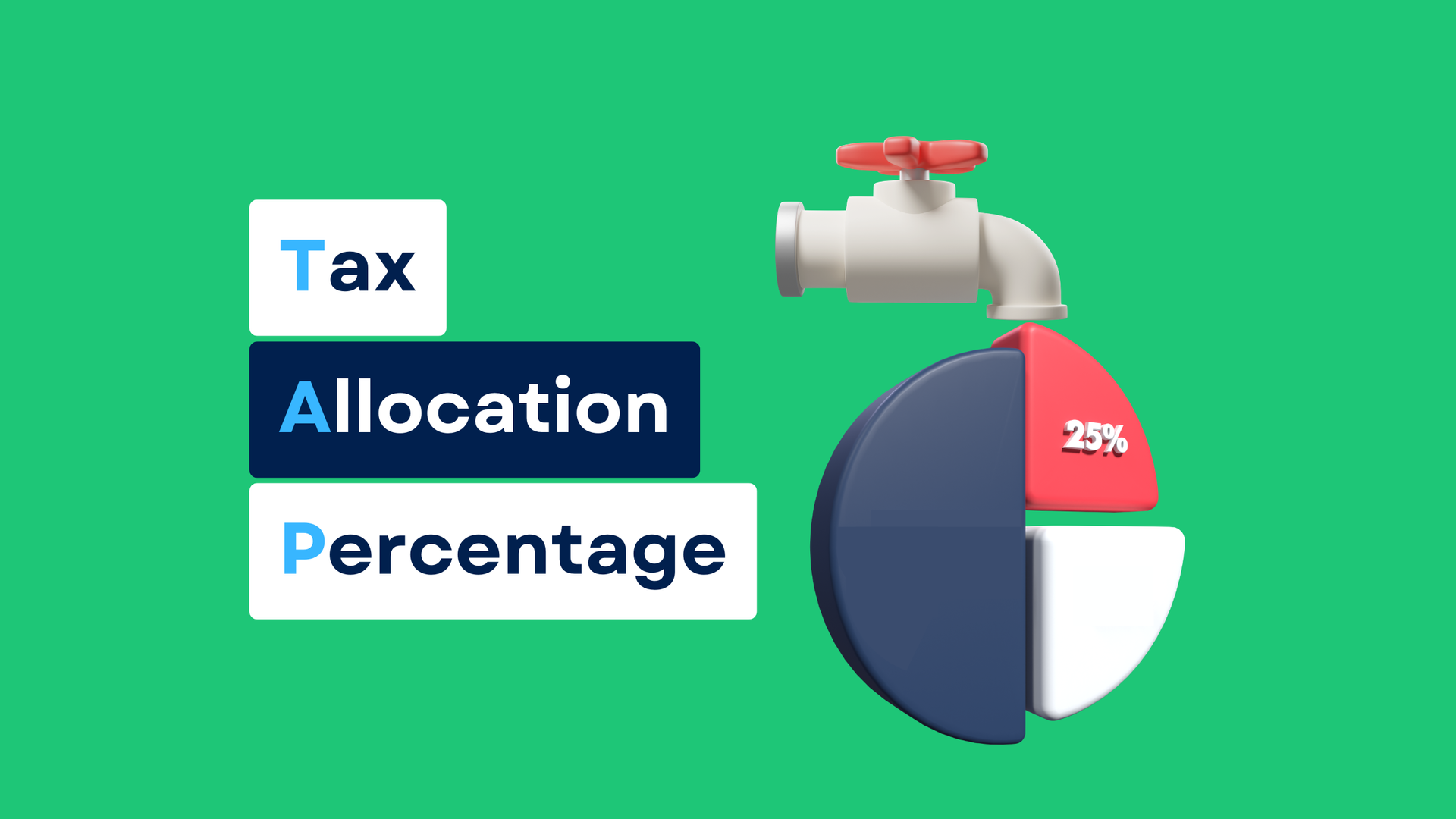
Unsure about how much to save for tax in the UK? Discover the ideal percentage to set aside using the Tax Allocation Percentage (TAP) system, specifically designed to simplify tax savings. Written by a Chartered Accountant, this guide gives you a straightforward approach to managing your tax obligations effectively. Don't miss out on these essential tips for UK business owners and side hustlers.
Do You Need a Business Bank Account for Your Business? If your business is starting to bring in money, one of the questions that often comes up is whether you need a separate business bank account. The short answer is no, not always. If you are a sole trader, there is no general legal requirement to have a dedicated business bank account. However, that does not mean using a personal account is always the best option. In practice, keeping your business finances separate usually makes life much easier. Is it a legal requirement? For sole traders, a separate business bank account is generally not a legal requirement. Your business and personal finances are legally the same person, even if it is better to keep them apart in practice. For limited companies, the position is different. Because the company is a separate legal entity, it should have its own bank account. So if you are trading through a limited company, a separate business account is really essential. If you are a sole trader, it is more about organisation, clarity and professionalism. Why a separate account usually makes sense The biggest advantage of a separate business bank account is that it keeps your records cleaner. When business income and expenses are mixed in with your personal spending, it becomes much harder to see what is really going on. That can make bookkeeping more time-consuming and can also increase the risk of things being missed when it comes to preparing your accounts or tax return. A separate account makes it easier to: track business income and costs keep proper records reconcile transactions prepare accounts and tax returns more efficiently If you are using accounting software, it also makes bank feeds and reconciliations much more straightforward. Can you use a personal account? Many people do use a personal account when they first start out, particularly if the business is small and there are only a few transactions each month. That said, some banks do not allow personal accounts to be used for business purposes under their terms and conditions. Even where this is not actively enforced, it can become a problem as the business grows. In other words, you may be able to use your personal account at the beginning, but it often becomes less practical over time. Other benefits of a business account A business account can also help your business feel more established. For example, it can: make payments and receipts look more professional help if you later apply for finance give you access to business banking tools and features make it easier to separate money set aside for tax It is not just about compliance. It is about making your finances easier to manage as the business grows. Choosing the right type of bank There is no single right answer when it comes to choosing a bank. Some business owners prefer a traditional high street bank, particularly if they value branch access or want to keep everything with one provider. Others prefer digital banks because they are often quicker to open, easier to manage through an app and more closely integrated with accounting software. What matters most is finding an account that is easy to use and suits the way you run your business. How easy is it to open one? Opening a business bank account is usually quite straightforward, although the exact process depends on the bank and whether you are a sole trader or a limited company. In most cases, you will need: proof of identity proof of address basic details about your business expected income or turnover company documents if you trade through a limited company Many providers now allow you to apply fully online. What about FSCS protection? In the UK, most banks, building societies and credit unions authorised by the Prudential Regulation Authority are covered by the Financial Services Compensation Scheme. FSCS protection for deposits is up to £120,000 per eligible person, per authorised firm. If you hold larger balances, it may be worth checking whether your money is spread across different banking licences. So, do you actually need one? If you are a sole trader, not necessarily. But if your business is growing, generating regular income, or starting to feel more established, opening a separate business bank account is usually a sensible move. It will not change your tax bill, but it can make your bookkeeping, tax reporting and overall financial management much easier. Final thoughts A business bank account is not always a legal requirement, but it is often a practical one. At the very start, using a personal account may seem easier. Over time, though, a separate account usually gives you much better control and makes it easier to stay organised. If your business is becoming more serious, it is often worth treating it that way financially too.
Discover effective strategies to reduce your tax bill in the UK with our comprehensive guide. Learn about incorporating businesses, maximising allowable expenses, and leveraging pension schemes. Ideal for self-employed workers and small business owners seeking practical tax-saving tips. Stay informed and manage your taxes efficiently with our expert advice. Read now for savvy tax solutions.
Explore the benefits of simplified expenses for UK small business owners and self-employed individuals. Our article breaks down HMRC's flat-rate system, providing clear, practical advice on managing work-from-home, vehicle, and premises expenses. Ideal for those looking to streamline tax calculations and save time.
Discover the essentials of claiming business expenses in the UK with our comprehensive guide. Learn which costs are tax-deductible, how to maximise your claims, differentiate between allowable and non-allowable expenses, and navigate the complexities of Self Assessment with ease. Perfect for self-employed individuals.