

How to Start a Dropshipping Business in the UK


Updated on:
How to Start a Dropshipping Business in the UK: A Complete Step-by-Step Guide for 2026
Dropshipping has emerged as one of the most accessible ways to enter ecommerce without the traditional barriers of inventory investment and warehouse management. The UK market presents particularly strong opportunities due to high consumer spending and a mature online shopping culture.
Starting a dropshipping business in the UK involves choosing suppliers, setting up an ecommerce store, registering your business, and ensuring compliance with UK laws. The initial investment can be modest, with new sellers able to start with £50-£300 to cover essential platform fees and initial marketing costs.
This guide walks you through the entire process, from understanding how dropshipping operates in the UK market to navigating VAT requirements, selecting trustworthy suppliers, building your online store, and implementing marketing strategies that drive sales. You'll learn the practical steps needed to launch and grow a compliant, profitable dropshipping business in 2026.
Understanding Dropshipping in the UK
Dropshipping operates as a retail fulfilment method where you sell products without holding inventory, whilst suppliers handle storage and shipping directly to your customers. The model is fully legal in the UK when you comply with consumer protection laws and tax obligations.
What Is Dropshipping and How Does It Work?
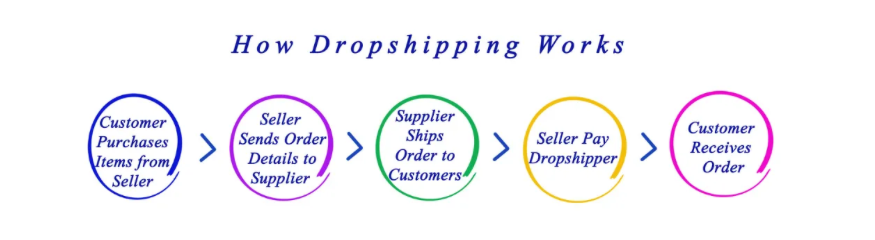
Dropshipping is a business model where you act as the intermediary between suppliers and customers without maintaining physical stock. When a customer places an order on your online store, you forward that order to your supplier, who then ships the product directly to the customer.
The process begins when you list products on your ecommerce platform at a marked-up price. You only purchase items from your supplier after receiving payment from customers. The difference between what customers pay you and what you pay suppliers represents your profit margin.
How dropshipping works involves three key players:
- you as the retailer
- your dropshipping supplier
- the end customer
You handle marketing, customer service, and managing your online storefront, whilst suppliers manage inventory, packaging, and shipping logistics.
Is Dropshipping Legal in the UK?
Yes, dropshipping is legal in the UK when you operate within established business regulations. You must register your business with HMRC and comply with UK consumer protection laws, including the Consumer Rights Act 2015 and the Consumer Contracts Regulations.
VAT registration becomes mandatory once your turnover exceeds £85,000 annually. You're responsible for product quality and customer service, even though you don't handle the products yourself. Refunds, returns, and complaints remain your legal obligation as the seller of record.
Key Advantages and Challenges of Dropshipping
Advantages:
- Low startup costs - You can begin with £50-£300 to cover platform fees and initial marketing
- No inventory management - Suppliers handle stock, warehousing, and fulfilment
- Location independence - You can operate your business from anywhere with internet access
- Product variety - You can offer numerous products without upfront investment
Challenges:
- Lower profit margins - Typically ranging from 15-20% due to supplier costs
- Limited quality control - You depend on suppliers for product standards and shipping times
- High competition - Low barriers to entry mean saturated markets in popular niches
- Supplier reliability - Stock shortages or shipping delays directly affect your reputation
Analysing the UK Ecommerce Market
The UK ecommerce market presents specific consumer expectations and emerging trends that directly impact how you should approach your UK dropshipping business. Understanding these patterns helps you select products, choose suppliers, and position your store effectively.
UK Consumer Expectations and Behaviour
UK-based customers expect fast delivery times, with many prioritising next-day or two-day shipping options. This preference makes working with UK dropshipping suppliers advantageous, as domestic fulfilment typically meets these expectations better than international shipping.
Returns policies significantly influence purchasing decisions. UK consumers are protected by strict consumer rights legislation, which gives them 14 days to return items purchased online without needing to provide a reason. Your dropshipping business must accommodate this through clear return procedures and responsive customer service.
Price sensitivity varies by product category, but UK shoppers generally research thoroughly before purchasing. They compare prices across multiple platforms and read reviews extensively. Transparency about delivery times, product specifications, and total costs including VAT builds trust with your customer base.
Mobile commerce dominates the UK ecommerce market, with over 60% of online purchases now completed on smartphones or tablets. Your store must offer a seamless mobile experience with fast loading times and simplified checkout processes.
Trends and Opportunities in the UK Dropshipping Market
Sustainable and eco-friendly products continue gaining momentum amongst UK consumers. This creates opportunities for dropshipping businesses focused on environmentally conscious goods, from reusable household items to sustainable fashion accessories.
Health and wellness products maintain strong demand, particularly fitness equipment, nutritional supplements, and mental wellbeing tools. The work-from-home trend has also sustained interest in home office equipment, ergonomic furniture, and productivity accessories.
High-potential product categories for 2026:
- Smart home devices and automation products
- Pet supplies and accessories
- Personal care and beauty items
- Hobby and craft materials
- Gaming peripherals and accessories
Seasonal opportunities remain important in UK dropshipping. Events like Christmas, Black Friday, and summer holidays drive significant sales spikes. Planning your product selection and marketing campaigns around these periods maximises revenue potential for your store.
Planning Your Dropshipping Business
Successful dropshipping requires careful planning before you launch your online store. Your niche selection, product research methods, and profit calculations will determine whether your business becomes profitable.
Selecting Your Dropshipping Niche
Your dropshipping niche should balance personal interest with market demand and profitability. Focus on specific product categories rather than trying to sell everything, as this helps you target a defined audience and compete more effectively.
Consider niches where you have knowledge or genuine interest, as this makes marketing and customer service easier. Look for markets with consistent demand but avoid oversaturated categories like generic phone cases or basic t-shirts. Emerging trends can be profitable, but ensure they have staying power beyond a few months.
Evaluate competition levels within potential niches. Some competition indicates a healthy market, but extremely crowded spaces make it difficult for new businesses to gain visibility. You can identify promising niches by examining product strategies and market gaps that established sellers haven't filled.
Conducting Market and Product Research
Product research confirms whether your chosen niche has genuine buyer demand. Use Google Trends to analyse search volume patterns over time and identify whether interest is growing, stable, or declining.
Keyword research reveals what potential customers are searching for and how they describe products. Tools like Google Keyword Planner show monthly search volumes and competition levels for specific terms. Look for keywords with decent search volume but manageable competition.
Examine competitor websites, customer reviews, and social media discussions to understand what buyers want and what problems current products fail to solve. Check marketplace platforms to see which items receive consistent sales and positive feedback. This research helps you validate product ideas before committing to suppliers.
Assessing Profit Margins and Platform Fees
Your profit margin determines business viability. Calculate the difference between your selling price and all costs, including product cost, shipping, platform fees, payment processing fees, and advertising expenses.
Platform fees vary significantly between ecommerce solutions. Most charge monthly subscriptions plus transaction fees ranging from 1.5% to 3% per sale. Payment processors typically add another 1.4% to 2.9% plus a fixed fee per transaction.
Aim for profit margins of at least 20-30% after all expenses to ensure sustainability. Factor in returns, customer service time, and marketing costs when calculating your true margins. Products with higher ticket prices often provide better absolute profits even if percentage margins are similar to cheaper items.
Legal and Regulatory Compliance
Operating a dropshipping business in the UK requires adherence to specific legal frameworks covering business registration, taxation, import duties, and consumer protection. Understanding these requirements from the outset helps you avoid penalties and build a legitimate operation.
Choosing a Business Structure and Registering
You need to select an appropriate business structure before you begin trading. Most dropshippers start as sole traders, which is the simplest option with minimal paperwork and direct control over your business. Alternatively, you can establish a limited company, which offers liability protection and may appear more professional to customers and suppliers.
If you register as a limited company, you must file with Companies House and comply with additional reporting requirements. This structure separates your personal assets from business liabilities, which provides important protection if legal issues arise.
Whichever structure you choose, you must also ensure compliance with UK GDPR regulations when handling customer data. This includes obtaining consent for marketing communications, protecting customer information, and providing clear privacy policies on your website.
Meeting Tax Obligations and Import Requirements
You must register for VAT once your turnover exceeds £90,000, though you can register voluntarily below this threshold. When importing products from outside the UK, you'll need to pay import VAT and potentially customs duties depending on the product value and origin.
Products entering the UK may require UKCA marking to demonstrate conformity with UK safety regulations, particularly for electronics, toys, and certain other categories. You remain responsible for ensuring products meet these standards even though your supplier handles fulfilment.
Establishing clear legal agreements with your suppliers helps define who handles customs declarations and import duties. Your contracts should specify product quality standards, shipping timeframes, and liability for defective goods.
Understanding UK Consumer Protection Laws
The Consumer Rights Act 2015 gives your customers specific protections that you must honour. Products must be as described, fit for purpose, and of satisfactory quality. If items fail to meet these standards, customers have the right to refunds, repairs, or replacements.
Under the Consumer Contracts Regulations , customers have a 14-day cooling-off period to return items without providing a reason. You must provide clear information about this right, including return procedures and any costs customers might incur for returning goods.
UK consumer law holds you accountable for product issues, not your supplier. This means you must handle customer complaints and refunds directly, then seek reimbursement from your supplier separately. You also need to comply with advertising standards, ensuring all product descriptions and marketing claims are accurate and not misleading.
Finding and Working With Reliable Dropshipping Suppliers
Your supplier relationships will determine your business success more than almost any other factor. The right partners ensure fast delivery, quality products, and fewer customer complaints, whilst poor suppliers can damage your reputation before you've properly started.
Sourcing UK-Based and International Suppliers
When you choose a supplier, you'll need to decide between UK dropshipping suppliers and international options. UK-based suppliers offer faster shipping times to your customers, typically 1-3 days, and eliminate customs delays and import duties. They also operate in your time zone, making communication simpler.
International suppliers, particularly those with EU warehouses, often provide lower product costs and access to broader product catalogues. Chinese suppliers remain popular for their vast selection and competitive pricing, though shipping can take 2-4 weeks. Many international suppliers now maintain UK or European distribution centres to bridge this gap.
Consider starting with a mix of both. Use UK dropshipping suppliers for products where delivery speed matters most, and international suppliers for unique items or when margins allow for longer shipping times.
Top 5 Dropshipping Suppliers for Beginners
CJdropshipping operates multiple warehouses globally, including in Europe, and offers product sourcing services alongside standard dropshipping. They provide competitive pricing and automated order processing.
Syncee connects you with verified UK dropshipping suppliers and European brands, offering real-time inventory updates and automated order synchronisation with major e-commerce platforms.
Spocket specialises in suppliers from the UK, US, and EU, focusing on faster shipping times than traditional Asian suppliers. Their platform includes product samples at discounted rates.
Wholesale2B aggregates products from multiple suppliers into one interface, allowing you to source from various categories without managing separate supplier relationships.
Printful handles print-on-demand products including clothing, accessories, and home goods, with facilities in the UK ensuring quick delivery for custom merchandise.
Evaluating Shipping Reliability and Delivery Speed
Shipping reliability directly impacts your customer satisfaction and return rates. Request product samples from potential suppliers to test their packaging quality, delivery speed, and product condition upon arrival. This small investment prevents larger problems later.
Check supplier shipping reliability by examining their stated processing times, shipping methods, and tracking capabilities. Reliable suppliers provide tracking numbers automatically and ship orders within 1-2 business days of receiving them.
Calculate total delivery time by adding processing time plus transit time. A supplier with 24-hour processing and 2-day shipping beats one with 3-day processing and next-day shipping. Ask suppliers about their backup plans when primary shipping carriers experience delays.
Review supplier return and refund policies carefully. Clear policies about damaged goods, lost parcels, and customer returns protect your business when issues arise.
Integrating with Supplier Platforms
Modern supplier integrations automate order processing, inventory updates, and tracking information synchronisation with your online store. Most dropshipping suppliers UK offer direct integrations with Shopify, WooCommerce, and other major platforms.
Look for suppliers offering API access or native apps in your platform's marketplace. These integrations automatically send customer orders to suppliers, update stock levels in real-time, and import product catalogues with descriptions and images. Manual order processing wastes time and increases error rates.
Test integrations thoroughly before launching. Place test orders to verify the entire workflow from customer purchase through to order fulfilment. Confirm that inventory levels sync correctly to avoid selling out-of-stock items. Set up automated email notifications to alert you when orders ship or encounter problems.
Setting Up Your UK Online Store
Your online store serves as the foundation of your dropshipping business, requiring careful platform selection, professional product presentation, and clear customer policies. These elements work together to build trust with UK customers and establish your ecommerce store as a legitimate business.
Choosing a Dropshipping Platform
Selecting the right platform determines how efficiently you can manage your dropshipping business. Shopify UK remains the most popular choice amongst UK dropshippers due to its user-friendly interface and extensive app ecosystem that integrates with suppliers.
Key Platform Options:
Shopify – Best for beginners to advanced users – £25–£384 per month
WooCommerce – Best for WordPress users – Free (hosting costs apply)
BigCommerce – Best for scaling businesses – £29–£299 per month
Shopify dropshipping offers built-in payment processing, automatic inventory updates, and seamless integration with suppliers through apps like Oberlo or DSers. The platform handles VAT calculations automatically, which is essential for UK compliance.
WooCommerce provides more customisation if you're comfortable with WordPress, whilst BigCommerce suits businesses planning rapid growth. Your choice should align with your technical skills and budget constraints.
Creating Compelling Product Listings
Your product descriptions must address UK customer expectations whilst providing accurate information about items shipped from suppliers. Write detailed descriptions that highlight benefits, specifications, and dimensions in metric measurements.
High-quality images are non-negotiable. Request multiple photos from your supplier showing different angles, or use product photography services to create professional visuals. Include at least 5-7 images per product.
Essential Elements for Product Pages:
- Clear pricing in British pounds (£)
- Delivery timeframes stated honestly
- Size guides using UK sizing standards
- Material composition and care instructions
- Customer reviews and ratings when available
Use bullet points to break down key features and make information scannable. Avoid copying manufacturer descriptions directly, as unique content improves search rankings and builds brand identity.
Implementing Customer Support and Policies
UK consumers have strong legal protections, so your returns policy must comply with the Consumer Contracts Regulations. Customers have 14 days to return items purchased online without providing a reason.
Your returns and refunds policy should clearly state who covers return shipping costs and the timeframe for processing refunds. Most successful UK dropshippers offer at least 30 days for returns to exceed minimum legal requirements.
Required Policy Pages:
- Privacy policy
- Terms and conditions
- Returns and refunds policy
- Delivery information
- Contact details
Set up multiple customer service channels including email, live chat, and a contact form. UK customer expectations include responses within 24 hours on weekdays. Consider using helpdesk software like Zendesk or Freshdesk to manage enquiries efficiently.
Display your business address and company registration number prominently on your website. This transparency builds trust and satisfies legal requirements for UK ecommerce stores.
Effective Marketing Strategies for UK Dropshipping
Successfully marketing your UK dropshipping business requires a multi-channel approach that combines paid advertising, organic content, and community building. The most effective strategies focus on reaching your target audience through platforms where they already spend time while building long-term relationships through email and engaged communities.
Leveraging Paid and Influencer Ads
Paid ads provide immediate traffic to your dropshipping store when executed correctly. Facebook and Instagram ads allow you to target UK audiences based on demographics, interests, and behaviours, making them ideal for testing products quickly. TikTok ads have emerged as particularly effective for reaching younger UK consumers, with the platform's algorithm favouring engaging product demonstrations and authentic content.
Start with small daily budgets of £10-20 to test different ad creatives and audiences before scaling. Focus on video content that showcases your products in use rather than static images, as video typically generates higher engagement rates.
Influencer marketing offers a more authentic alternative to traditional paid ads. Partnering with UK-based micro-influencers (10,000-100,000 followers) often delivers better ROI than larger influencers because their audiences tend to be more engaged. You can offer free products in exchange for reviews or negotiate commission-based partnerships where influencers earn a percentage of sales generated through their unique discount codes.
Utilising Content Marketing and SEO
Content marketing and search engine optimisation work together to attract organic traffic without ongoing ad spend. Creating blog posts, product guides, and comparison articles around keywords your UK customers search for builds long-term visibility in Google search results.
Focus on informational keywords related to your niche rather than competing for highly competitive product terms immediately. For example, if you sell fitness equipment, target phrases like "best home workout routines UK" rather than just "dumbbells for sale".
Optimise your product pages with detailed descriptions, high-quality images, and customer reviews to improve conversion rates. Relying solely on organic traffic without ads can limit growth, so combine SEO efforts with other marketing channels for balanced results.
Building Communities and Email Lists
Email marketing remains one of the highest-ROI channels for dropshipping businesses. Build your email list by offering first-time visitor discounts (typically 10-15% off) in exchange for email addresses. Send regular campaigns featuring new products, abandoned cart reminders, and personalised recommendations based on browsing behaviour.
Segment your email list based on purchase history and engagement levels to send more targeted messages that drive conversions.
Building communities around your brand creates loyal customers who make repeat purchases. Create a Facebook group or Discord server where customers can share product experiences, ask questions, and connect with others interested in your niche. Active communities also provide valuable feedback on new products and marketing ideas whilst reducing your reliance on marketplaces like Amazon or eBay, where you compete directly on price with numerous other sellers.
Our Experience
We’ve worked with clients running dropshipping businesses across a range of niches, and in many cases it starts as a simple idea but quickly becomes more structured once sales begin to come through.
From our experience, one of the most important early steps is spending time researching products on online marketplaces. Looking at what is already selling well, reading reviews, and identifying gaps in the market can often give a clearer direction than trying to guess what might work.
The businesses that tend to perform best are not just focused on finding popular products, but on building something reliable around them. Product quality, dependable suppliers, and clear communication with customers all play a key role in long-term success.
A common challenge is managing margins, delivery expectations, and returns, particularly when working with overseas suppliers. Those who understand this early and treat it as a proper business, rather than a quick win, are generally in a much stronger position to build something sustainable over time.
Tax Considerations
Income from a dropshipping business is usually treated as trading income in the UK, which means it may need to be reported to HMRC.
If you are earning money through dropshipping, even on a part-time basis, you may need to register for Self Assessment and declare your profits. There is a £1,000 trading allowance available, so smaller amounts of side income may not need to be reported, but once your total trading income goes above that level, reporting is generally required.
It is also important to keep proper records of your sales and expenses, including platform fees, advertising costs, software subscriptions, and supplier charges, as these will often affect your taxable profit.
If you are unsure how your dropshipping income should be treated, or you want to make sure everything is set up correctly from the start, it is worth getting advice early.
If you would like help, feel free to book a free consultation with us.
Looking for a
New Accountant?
Starting a business, or feel your current accountant isn’t proactive?
👉 Book a
free, no-obligation consultation
SHARE THIS ARTICLE
Recent Side Hustle Articles







Disclaimer: This blog is for general purpose guidance, and no liability is accepted by TaxStore for action taken or not taken in reliance upon the contents of this blog. Where appropriate, professional advice should be obtained.
🔒 Get more with TaxStore.
As a TaxStore client, you get access to:
✔
A dedicated team of chartered accountants to support you
✔ Step-by-step guides and checklists
✔
Tools and calculators
✔
Secure document sharing and approvals
All in one place. Online and in-store.